Jershtech DC Motors
Choosing the right Electric Gear Motor can significantly impact your project’s success. According to industry expert Dr. Emily Chen, "Selecting the right motor is not just about specs; it's about understanding your application." The nuances in application requirements make each project unique. Electric Gear Motors come in various sizes and configurations. Understanding the specific demands of your project is crucial.
Many factors play into choosing an Electric Gear Motor. These include torque requirements, speed specifications, and efficiency ratings. Each characteristic influences performance. Failure to consider these aspects can lead to inefficiencies and unexpected costs. Sometimes, reliability can become an afterthought. An unsuitable motor may result in increased downtime or operational issues.
Experts emphasize the importance of detailed evaluation. Not all Electric Gear Motors are created equal. What works for one application may not fit another. It’s essential to reflect on your needs and the motor’s capabilities. This approach can prevent costly mistakes. The right choice can enhance productivity and lower energy consumption. Investing time in this process pays off in the long run.
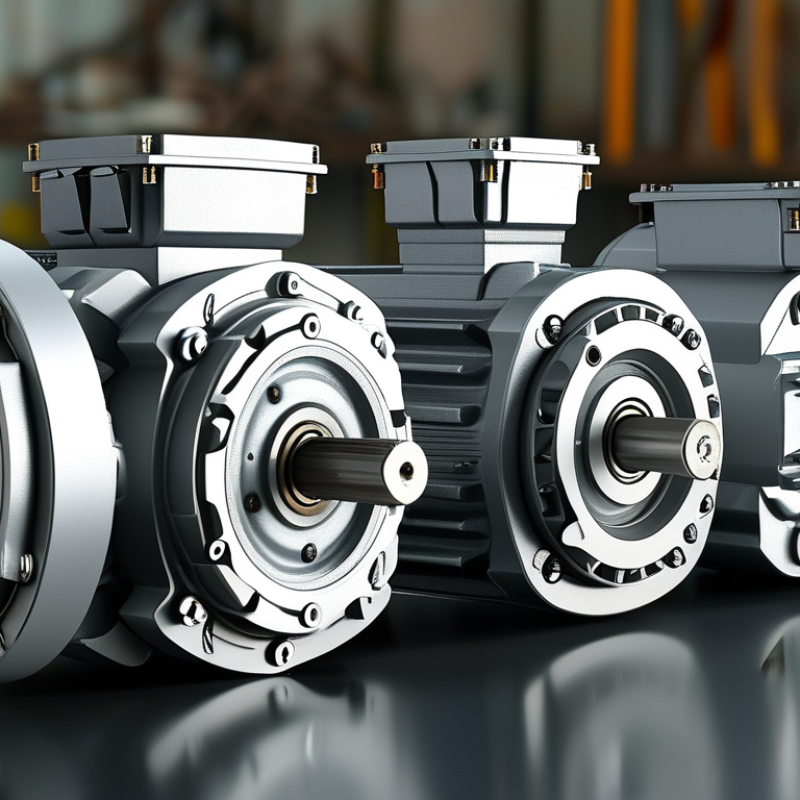
Electric gear motors play a pivotal role across various industries. They combine electric motors with gear reduction systems. This integration enhances torque while reducing speed, making them ideal for applications requiring high precision and control. Industries such as automotive, manufacturing, and robotics heavily rely on these motors. According to a recent report by MarketsandMarkets, the electric motor market is projected to grow to over $160 billion by 2025, emphasizing the rising demand for efficiency and performance in gear motors.
When selecting an electric gear motor, consider specific application requirements. Load characteristics, speed, and torque specifications are essential. A motor that operates well in one environment may falter in another. For instance, food processing applications require motors that can withstand humidity and frequent cleaning. Understanding these distinctions ensures optimal performance.
**Tips:** Always check motor compatibility. Analyze load data carefully. Adjust for environmental factors. These details are crucial for selecting the right motor. Even minor miscalculations can lead to inefficiencies. Ultimately, ensuring that every variable aligns with your operational needs is vital. Electric gear motors can enhance functionality, but they demand thoughtful evaluation before integration into your system.
Choosing the best electric gear motor can be challenging. Understanding key factors is essential. One crucial aspect is the torque rating. According to industry reports, torque influences load handling significantly. An inadequate torque rating can lead to mechanical failure or inefficiency. Assess your application’s needs to ensure reliability.
Power requirements also matter. Look at the voltage and frequency specifications. An electric gear motor must match the existing electrical system. A mismatch can lead to underperformance or burnout. It’s wise to consult professionals for guidance.
Tip: Review the manufacturer's specifications thoroughly. Document your requirements before making a decision. Don’t rush the selection process, as mistakes can be costly. Explore the options to find a balance between price and quality. Reflect on your choices and consider potential future needs.
| Feature | Value | Importance Level (1-5) |
|---|---|---|
| Torque Output | 10 Nm | 5 |
| Speed Rating | 100 RPM | 4 |
| Voltage Rating | 24 V | 5 |
| Gear Ratio | 30:1 | 4 |
| Efficiency | 85% | 4 |
| Size (D x L) | 50 mm x 150 mm | 3 |
| Weight | 2 kg | 3 |
| Operating Temperature Range | -20 to +60 °C | 3 |
| Mounting Type | Flange | 4 |
| Application | Conveyor Systems | 5 |
Electric gear motors come in various types, each designed to serve specific applications. Understanding these types can help you make informed choices. For instance, DC gear motors are widely used for their precise speed control. They are ideal for applications in robotics and small automation projects. According to a market research report, the demand for DC gear motors is projected to grow by 7.5% annually through 2026.
Another popular type is the AC gear motor. These motors are favored in industrial applications due to their high efficiency and durability. They can easily handle larger loads, making them suitable for conveyor systems and heavy machinery. Recent studies indicate that the global market for AC gear motors is expected to double in the next five years. Because of their reliability, industries increasingly prefer them over traditional motors.
Lastly, stepper motors have gained traction in precise control applications. They excel in situations requiring exact positioning, such as 3D printers and CNC machines. However, they may not be the best choice for high-speed operations. Users need to evaluate the specific requirements of their projects. Choosing the right motor type is crucial. It can impact operational efficiency and long-term costs.
When choosing an electric gear motor, evaluating performance specifications is key. Efficiency ratings matter. Look for motors that offer high torque at low speeds. A motor with a high efficiency can reduce operational costs significantly. It is also essential to consider the load requirements. Does the motor provide sufficient power for your application? Understanding your specific use case will guide your selection.
Speed variations impact performance. Ensure the motor's speed range aligns with your needs. Testing under real-world conditions can be enlightening. Sometimes, what appears to be the right choice based on specifications may not perform as expected. Be prepared for trial and error during the selection process.
Heat dissipation is another crucial factor. Motors can overheat, especially in continuous-use applications. Pay attention to how the motor manages heat. Poor thermal performance can lead to failure. Selecting a motor means balancing performance, reliability, and cost. Don't rush the decision. A thoughtful analysis can save time and money.
This chart illustrates the performance specifications of different electric gear motors, highlighting key metrics such as torque, speed, efficiency, weight, and noise level. These factors are crucial for selecting the right gear motor for your specific needs.
When budgeting for electric gear motors, it's crucial to consider several cost factors. The initial price of the motor is only part of the equation. Installation costs can vary significantly based on complexity. You might think you are saving money by choosing a cheaper motor. However, that could lead to higher maintenance costs down the line. It's not always easy to predict these expenses.
Energy efficiency plays a big role too. An efficient motor might have a higher upfront cost. But the savings in energy bills can offset that over time. Don't forget about the lifecycle costs. A motor may last longer than expected if properly maintained, which can reduce overall expenses. Still, it’s essential to analyze each option carefully.
Additionally, think about the application. Motors meant for rigorous use may require a bigger investment upfront. Investing in durability is often a wise choice, yet it's also necessary to do your research. Weigh your options thoughtfully against your budget. Some choices may lead to regret if needs change later on. Balancing immediate costs with long-term goals can be challenging, but it's vital for making the right decision.
: An electric gear motor combines an electric motor with a gear reduction system.
They enhance torque while reducing speed, ideal for applications needing high precision and control.
Focus on load characteristics, speed, and torque specifications. Application requirements are key.
Motors may fail in unsuitable conditions, like excessive humidity in food processing settings.
Common types include DC, AC, and stepper motors, each serving specific applications.
AC gear motors are efficient and durable, suitable for heavy loads and industrial use.
Consider installation, maintenance, and energy efficiency, not just the initial motor price.
Higher upfront costs for efficient motors can lead to long-term savings on energy bills.
Selecting a cheaper motor may increase future maintenance costs, impacting budget over time.
Weigh immediate expenses against long-term performance and durability to avoid regret later on.
Choosing the best Electric Gear Motor for your applications requires a comprehensive understanding of their functionalities and diverse uses. Electric Gear Motors are pivotal in various industries due to their efficiency and torque capabilities. When selecting an Electric Gear Motor, it's essential to consider several key factors, including the motor's specifications, compatibility with your system, and operational requirements.
In addition to understanding the different types of Electric Gear Motors and their benefits, evaluating performance specifications such as speed, torque, and power is crucial. Furthermore, budgeting for these motors entails assessing the total cost of ownership, including initial investments and maintenance. By weighing these factors carefully, you can ensure that you select an Electric Gear Motor that meets your specific needs and optimizes your operations.
