Jershtech DC Motors Jershtech DC Motors

How to Choose the Right Low Voltage Gear Motor for Your Needs?

Time:2026-06-22 Author:Madeline
0%

Choosing the right Low Voltage Gear Motor is crucial for various applications. These motors are widely used in robotics, automation, and small machinery. Their efficiency and compact design make them popular. However, selecting one can be daunting given the range of options available.

When assessing your needs, consider factors such as torque, speed, and size. Each application may require a different combination of these elements. For instance, a motor for a robotic arm needs precise control over speed and torque. Yet, it must fit within the robot's limited space.

It's vital to consult with experts in the field. Their insights can help navigate the technical specifications. Yet, even experienced professionals may overlook specific requirements. Reflecting on previous selections can lead to better future choices. Evaluating your project's demands carefully will lead to the best Low Voltage Gear Motor for your needs.
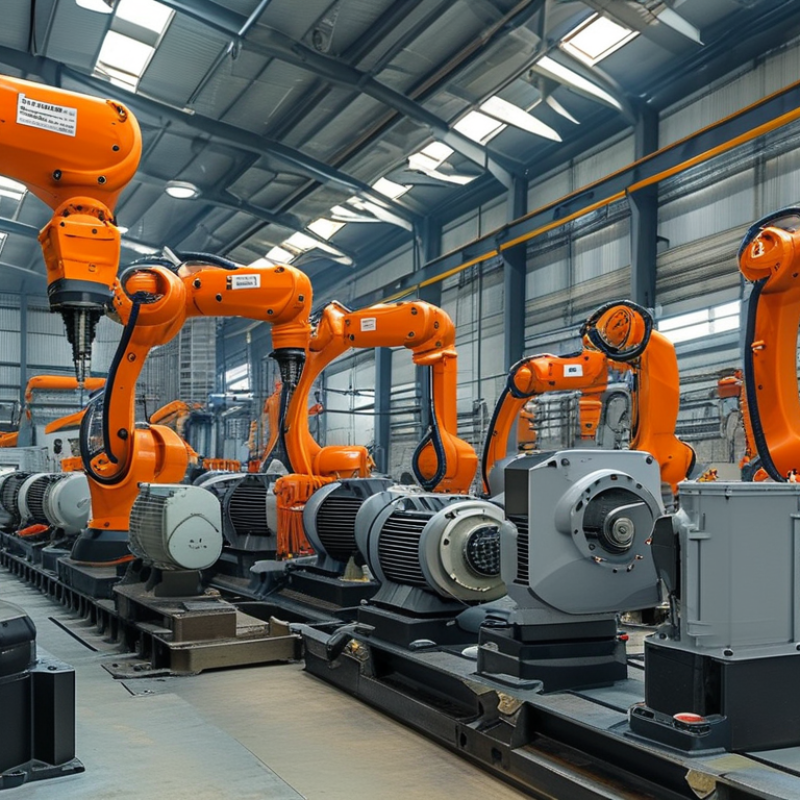
How to Choose the Right Low Voltage Gear Motor for Your Needs?

Understanding Low Voltage Gear Motors and Their Applications

Low voltage gear motors are essential in various applications, from robotics to conveyor systems. They provide high torque and precise control, making them suitable for different tasks. Understanding their design and performance characteristics is vital for selecting the right model.

When choosing a low voltage gear motor, consider your specific application. The gear ratio greatly influences torque and speed. A higher gear ratio offers more torque but reduces speed. Evaluate power requirements, as an underpowered motor may cause inefficiencies or failures. It's crucial to balance these factors based on your project's needs.

Moreover, consider operational environments. Some motors perform poorly in extreme temperatures or dusty conditions. The material and design can determine durability. For intricate projects, the motor's feedback features, like encoders, allow for better control. This ensures precision, but may increase complexity. Reflecting on these aspects helps to choose a motor that aligns with your objectives.

Key Factors to Consider When Selecting a Low Voltage Gear Motor

Choosing the right low voltage gear motor can be challenging. It's crucial to consider several key factors before making a decision. One important aspect is the motor's torque requirements. Different applications often require varying torque levels, which can significantly impact performance. A study by the International Electrotechnical Commission (IEC) shows that incorrect torque specifications can lead to motor failure over time.

Efficiency is another vital factor. Look for motors with high-efficiency ratings, especially those above 90%. Higher efficiency often correlates with lower energy consumption, ultimately saving costs in the long run. It's essential to balance efficiency with the load capacity of the motor.

Tip: Always check the load profile of your application. Analyzing the duty cycle can prevent oversizing or undersizing the motor.

Additionally, consider the environmental conditions where the motor will operate. Dust, humidity, and temperature fluctuations can affect performance. Selecting a motor with appropriate ingress protection (IP) ratings is a must.

Tip: Testing the motor under real-world conditions can provide valuable insights. Gather data and adjust specifications as needed.

Being conscious of these factors helps ensure that you select a motor that meets your specific needs effectively.

Comparing Different Types of Low Voltage Gear Motors

When choosing a low voltage gear motor, it’s essential to compare different types available in the market. Each type offers unique features suited for specific applications. For instance, DC gear motors are known for their simplicity and ease of control. In contrast, stepper motors provide precise positioning, making them ideal for robotics and automation.

Data shows that the efficiency of low voltage gear motors can vary significantly. According to a 2022 industry report, brushless DC gear motors have an efficiency rate of up to 90%. This is a vital consideration if energy consumption is a priority in your project. Additionally, gear ratio plays a crucial role in determining the torque and speed of the motor. A higher gear ratio increases torque, which is beneficial for heavy lifting tasks.

However, selecting the right motor can be challenging. It requires understanding load requirements, speed, and operating conditions. Misjudging these factors could lead to performance issues. A common error is overestimating the gear motor's capabilities, which can result in premature wear. That’s why conducting thorough research and possibly consulting with experts is advisable. This approach ensures that you choose a motor that meets your specific needs effectively.

Evaluating Performance Specifications for Your Gear Motor Needs

Choosing the right low voltage gear motor starts with understanding performance specifications that align with your application. You should consider torque, speed, and efficiency. Torque measurement directly impacts how much load the motor can handle. Higher torque is necessary for heavy-duty applications but may lead to increased energy consumption. Balancing these factors is crucial.

Speed ratings are another essential focal point. The motor's speed affects performance and precision. Certain applications require slow speed for better control, while others benefit from high speed to maintain production efficiency. It’s worth reflecting on trade-offs; choosing higher speed might lead to less torque and potentially affect longevity.

Efficiency ratings are often overlooked yet vital. An efficient motor consumes less power, saving on energy costs. However, high efficiency sometimes comes with a higher price tag. Knowing your budget while assessing efficiency becomes a pivotal discussion. Selecting a gear motor may lead to unexpected performance outcomes. Understanding these nuances helps in making a reliable choice that meets your unique needs.

Performance Specifications of Low Voltage Gear Motors

Cost Considerations and Budgeting for Low Voltage Gear Motors

When budgeting for low voltage gear motors, scratch your head a little. Costs can vary widely. Set a clear budget that considers your project’s scope. You need to understand both the upfront costs and long-term expenses. Prices can climb due to specifications, efficiency, and durability. Calculate not just the motor price, but installation and maintenance too.

Look at your energy needs. An efficient motor can save you money over time. Still, higher efficiency often means a higher initial price. Is it worth it for your application? Reflect on how often the motor will be used. Frequent use can justify the upfront cost. Still, for occasional needs, a cheaper option might suffice.

Be aware of the hidden costs when selecting a motor. High-quality motors may seem expensive but can lead to fewer repairs. Warranty and support can also add to the total cost. Research and compare different options. Quality is essential, but sometimes, cheaper options can work well. Consider your specific needs before making a decision.

How to Choose the Right Low Voltage Gear Motor for Your Needs? - Cost Considerations and Budgeting for Low Voltage Gear Motors

Application Torque (Nm) Power (W) Voltage (V) Cost Estimate ($)
Conveyor Systems 5 50 24 150
Robotic Arms 2 30 12 120
Automated Doors 3 45 24 100
Home Appliances 1.5 20 12 80
Agricultural Equipment 4 60 24 140

FAQS

: What are low voltage gear motors used for?

: They are used in applications like robotics and conveyor systems, providing high torque and precise control.

How do I choose the right low voltage gear motor?

Consider your application, gear ratio, power requirements, and operational environments for the best fit.

What influences the motor's torque and speed?

The gear ratio has a significant impact. Higher ratios increase torque but decrease speed.

Are there various types of low voltage gear motors?

Yes, types like DC gear motors and stepper motors offer unique features for different applications.

How do efficiency rates affect motor selection?

Higher efficiency can save energy, but often comes with a higher initial cost. Evaluate long-term versus short-term usage.

What costs should I consider besides the motor price?

Include installation, maintenance, and potential energy savings in your budget. Hidden costs can arise from repairs.

How often will the motor be used?

Frequent use can justify a higher initial investment in a quality motor, while infrequent use might be fine with cheaper options.

What happens if I misjudge motor specifications?

Misjudging load requirements or speed can lead to performance issues or premature wear of the motor.

What role does research play in choosing a motor?

Conducting thorough research and seeking expert advice can help ensure you meet your specific needs effectively.

What should I reflect on when considering a motor's efficiency?

Think about how often you'll use it and whether long-term savings outweigh higher initial costs.

Conclusion

When selecting the right Low Voltage Gear Motor for your needs, it is essential to first understand its fundamental principles and applications. Low Voltage Gear Motors are versatile devices commonly used in various industries, offering options tailored to specific tasks. Consider key factors such as torque, speed, and efficiency to ensure the motor aligns with your application requirements.

Additionally, comparing different types of Low Voltage Gear Motors can help identify the best fit for your project. Evaluating performance specifications—like power ratings and operational durability—is crucial for optimal performance. Lastly, keep cost considerations in mind to effectively budget for your Low Voltage Gear Motor acquisition, ensuring you achieve the best balance between quality and affordability in your selection.

Madeline

Madeline

Madeline is a dedicated marketing professional with a wealth of expertise in our company's core offerings. With a keen understanding of the industry, she brings a unique perspective to her role, consistently delivering high-quality content that highlights the superior aspects of our products. As......