Jershtech DC Motors
Choosing the right Compact Gear Motor can be a daunting task. Industry expert Dr. Emily Tran emphasizes the importance of careful selection. She once stated, "A well-chosen gear motor can significantly enhance efficiency." This reveals the critical role these motors play in various applications.
When considering a Compact Gear Motor, factors such as torque, speed, and size must be evaluated. Different industries use these motors for distinct purposes. For example, robotics might require a different motor than conveyor systems. It’s essential to align the specifications with your application’s needs.
Not every gear motor will suit your requirements. It’s vital to reflect on your specific situation. This thoughtfulness can lead to better performance and reliability. Testing different options before making a decision can provide valuable insights. Balancing cost and quality is another challenge. However, a prudent choice can yield long-term benefits.
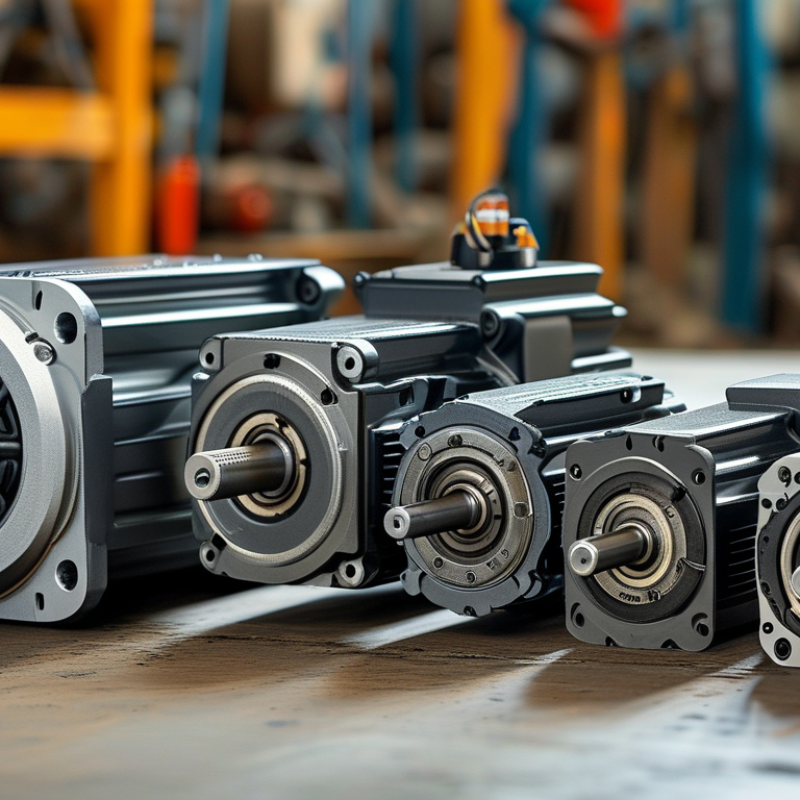
Choosing the right compact gear motor requires understanding its fundamentals. Compact gear motors are efficient and versatile, widely used in robotics and automation. According to a recent market report, the global gear motor market is projected to grow by 5.3% CAGR over the next five years. This growth reflects the increasing demand across various industries.
When selecting a compact gear motor, consider factors such as torque, size, and speed. A higher torque rating often indicates a stronger motor, essential for heavy-duty applications. Size affects the motor's integration into your project. Measure the available space to ensure a proper fit. Speed requirements vary; some applications need rapid movement, while others require precision.
Tip: Review the efficiency rating of the motor. A motor with higher efficiency can reduce energy consumption and operating costs. Remember that even slight variations in specifications can impact performance, highlighting the need for careful evaluation.
Another consideration is the environment where the motor will operate. Factors such as temperature, humidity, and exposure to dust can affect motor performance and longevity. Ensure that the chosen motor aligns with these conditions.
Tip: Consult with industry experts to gain insights. They can provide valuable input based on experience and technical knowledge, enhancing your decision-making process.
When choosing a compact gear motor, understanding your application requirements is crucial. Different tasks demand different solutions. Consider the torque needed for your application. If you require high torque, you’ll need a motor that can accommodate this. Analyze whether the gear motor is for continuous use or intermittent tasks. Each scenario suggests different design considerations.
Speed is another important factor. Determine the required RPM for your application. Not all gear motors offer the same speed range. Noise levels can also vary. If your application is in a noise-sensitive environment, this could impact your choice.
Additionally, size and weight matter. Compact options can save space but may limit torque output. Think about the environment as well. Moisture or dust may necessitate special housing to protect your gear motor. It's easy to overlook these details. Ignoring them could lead to operational failures and costly downtimes. Always revisit your application requirements to make the best choice.
When selecting a compact gear motor, evaluating power and speed specifications is crucial. The power rating indicates how much work the motor can perform. It is essential to ensure that the motor meets your application’s required torque and load conditions. A motor with inadequate power may lead to performance issues or even failure.
Speed specifications determine how fast the motor operates. Faster speeds can enhance efficiency but may lead to greater wear and tear. It’s vital to balance speed with the application's needs. Check the motor’s maximum speed rating and consider the load it will carry. Too much speed with heavy loads can be problematic, leading to overheating.
**Tips:** Always consult manufacturer guidelines for accurate specifications. Testing gear motors under real conditions helps to identify potential issues. If the motor performs inconsistently, assess the load and speed requirements thoroughly. Iteratively adjust your specifications based on practical experience. A deeper understanding of power and speed can prevent costly mistakes.
When selecting a compact gear motor, understanding size and weight constraints is crucial. Gear motors vary significantly in dimensions and mass. Assessing your specific application helps determine the right fit. Consider how the motor will be mounted. Is there limited space? Weight also impacts performance. Heavier motors may demand more robust structures, affecting the overall design.
Think about the environment where the motor will operate. If it's in a confined area, a lighter motor might be necessary. Compact solutions often minimize weight but may compromise torque. Evaluating these trade-offs is essential. If too small or light, the motor may underperform, leading to premature failures. Balancing size, weight, and performance requirements can be challenging.
It’s also wise to think about future needs. Will your application evolve? Size constraints could change with advancements. Choosing a slightly larger motor might prove beneficial if expansions are likely. Striking the right balance requires careful consideration and sometimes trial and error. Reflecting on past experiences can aid decision-making. Each project brings unique challenges, and understanding these nuances enhances your expertise.
When selecting a compact gear motor, understanding the various types and their features is crucial. Gear motors typically come in three main types: spur, planetary, and worm gear motors. Each type has distinct advantages. Spur gear motors are simple and efficient for low-torque applications. They are often favored for their straightforward design, but they can be noisy and generate more backlash.
Planetary gear motors excel in applications requiring high torque in a compact size. They distribute force across multiple gears. This design minimizes backlash, but they can be more complex and costly.
Worm gear motors offer high torque and excellent reduction ratios, making them suitable for heavy-duty applications. However, they may suffer from lower efficiency and heat generation.
Each type has its limitations. It’s vital to assess the specific requirements of your project. Consider factors such as load size, speed, and space constraints. The right choice can greatly influence performance.
Testing different gear motors in your application can reveal nuances that specs alone might not convey. Reflecting on these aspects is essential for a successful implementation.
: Power ratings indicate the work a motor can perform. Insufficient power can lead to failure.
Higher speeds can enhance efficiency but cause wear. Balancing speed with load is crucial.
Size impacts mounting options, while weight affects overall design and performance.
The three main types are spur, planetary, and worm gear motors. Each has unique advantages.
Testing reveals performance nuances. It helps identify issues not evident in specifications.
A motor too small may underperform and fail. Consider future needs as applications evolve.
Lighter motors may compromise torque. Evaluating these trade-offs is essential for performance.
Balancing size, weight, and performance can be challenging. Each project presents unique considerations.
Reflecting on past decisions enhances expertise. Each project has its nuances that inform future choices.
More complex gear motors, like planetary types, can be costlier. Assess if features justify the expense.
When selecting a compact gear motor, it is essential to understand the fundamentals of how these motors operate and their various applications. Compact gear motors are highly versatile, making them suitable for a range of tasks in industries such as robotics, automotive, and manufacturing. It is crucial to identify your specific application requirements, including the necessary power and speed specifications to ensure optimal performance.
Additionally, size and weight constraints play a vital role in the selection process. Evaluating the different types of gear motors and their features can help narrow down your choices. By considering all these factors, you can choose the right compact gear motor that meets your needs, enhancing efficiency and effectiveness in your projects.
