Jershtech DC Motors Jershtech DC Motors

How to Choose the Right Custom Gear Motor for Your Project?

Time:2026-07-25 Author:Sophia
0%

When embarking on a project, selecting the right Custom Gear Motor is crucial. This decision can significantly impact your project's efficiency and performance. With a variety of options available, the process can feel overwhelming. It's essential to understand your specific needs and the environment in which the motor will operate.

Custom Gear Motors are tailored to meet unique requirements. They enhance torque, control speed, and increase overall efficiency. Consider how the motor's specifications align with your project goals. Factors such as load, speed, and space constraints must be carefully evaluated. Yet, even with all the information available, a perfect choice may not always emerge.

Each project is unique, and sometimes, compromises are necessary. You may find that the ideal Custom Gear Motor might not exist. In such cases, it's vital to weigh the pros and cons of your options. Engaging with experts in the field can help clarify the best direction. Their experience and insights can guide you towards a reliable solution for your needs.
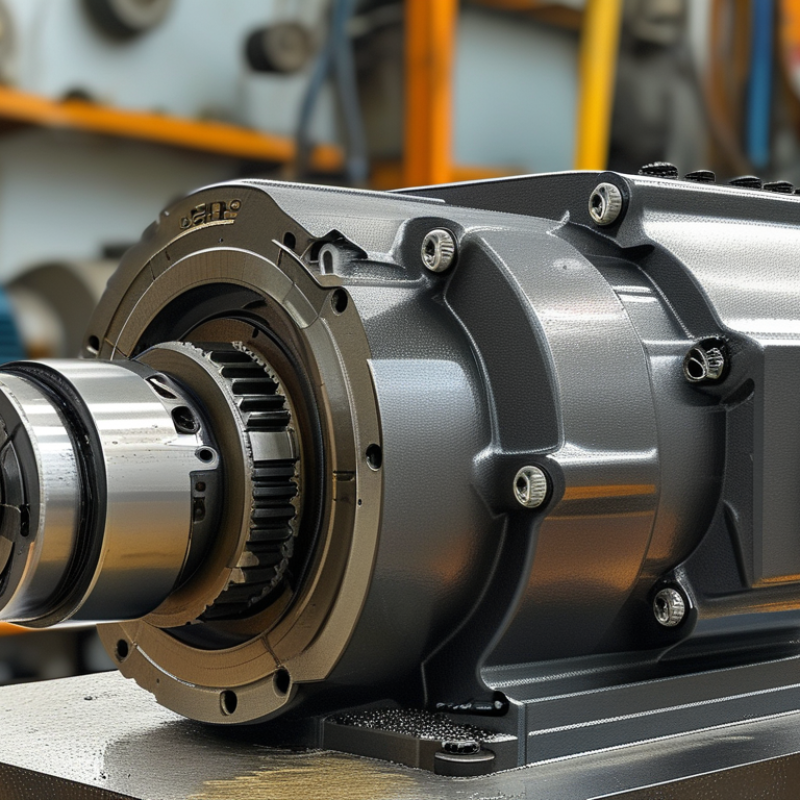
How to Choose the Right Custom Gear Motor for Your Project?

Understanding Custom Gear Motors and Their Applications

Custom gear motors are essential components in various applications, from robotics to industrial equipment. These motors can be tailored to meet specific needs, enhancing efficiency and performance. According to a recent market report, the global gear motor market is projected to grow at a CAGR of 5.2% from 2022 to 2028. This growth highlights their increasing importance across multiple sectors.

When selecting a custom gear motor, understanding the load requirements and desired speed is crucial. Different applications call for various torque ratings and gear ratios. For instance, a robotic arm may need precise control and high torque. In contrast, conveyor systems might prioritize speed. An analysis indicated that optimizing gear ratio can improve overall efficiency by up to 20%.

**Tip:** Always consider the environment where the motor will operate. Factors such as temperature, moisture, and dust can impact performance and longevity.

Also, keep in mind that customization may not always lead to better performance. Testing and iteration are essential. It's often better to start with a standardized model to assess basic needs before venturing into custom designs. This approach can reduce costs and time while ensuring reliability in performance.

**Tip:** Consult with experts when in doubt. They can provide insights that save you from costly errors.

Identifying Project Requirements for Gear Motors

When selecting a custom gear motor, identifying your project requirements is critical. Start by considering the specific application for which the motor will be used. Different applications may demand varying torque, speed, and efficiency levels. Clearly defining these needs will help narrow down your options.

Next, evaluate the physical constraints of your project. The size and weight of the gear motor should fit within your design parameters. Factor in the power supply as well. Whether you are using AC or DC current may influence your choice considerably. Additionally, think about the environment where the gear motor will operate. Harsh conditions may require more robust solutions.

As you analyze your requirements, reflect on potential challenges. For example, a motor may perform well in laboratory tests but struggle under actual load conditions. It’s vital to think about how the motor's performance will be affected over time. Consider longevity and maintenance. Will your project need a gear motor that can withstand wear and tear? Balancing these aspects will help ensure a successful project outcome.

Factors to Consider When Selecting a Custom Gear Motor

Selecting the right custom gear motor is crucial for any engineering project. The performance of the gear motor significantly impacts the overall efficiency. According to a recent industry report by Research and Markets, up to 35% of engineering failures are linked to inappropriate motor choices. Understanding specific application needs can prevent these costly mistakes.

When choosing a custom gear motor, always consider torque requirements. Evaluate the load your system will handle. Excessive torque can cause overheating and reduce lifespan. A 2022 study highlighted that motors running above their rated torque can decrease efficiency by 15%. Moreover, size constraints are essential. A motor that is too large may not fit or cause balance issues, while a small one could underperform.

Lastly, environmental factors play a role. Does the motor need protection from dust, moisture, or extreme temperatures? Research suggests that 25% of motor failures are due to adverse conditions. Moreover, consider the noise level. A motor that operates in a quiet environment should ideally run below 50 decibels to avoid operational disruptions. By assessing these factors, you can make a more informed choice and optimize your project's performance.

Evaluating Performance Specifications of Gear Motors

Choosing the right custom gear motor requires careful evaluation of performance specifications. These specifications include torque, speed, and efficiency. Torque is crucial; it determines how much load the motor can handle. Higher torque often means better performance, but it also means greater energy consumption. Assess your project's requirements before settling on a motor.

Speed is another vital factor. Different applications demand varying speeds. Some projects require slow, consistent movement, while others need quick, responsive actions. This balance can be difficult to achieve, and it’s essential to determine the optimal speed for your application. Remember, too much speed may compromise stability, while too little may hinder performance.

Efficiency ratings reveal how well a motor converts input power into output. This aspect is often overlooked. An inefficient motor can lead to increased operational costs and heat loss. Assessing the efficiency can save funds over time. Don’t forget to consider the environment where the motor will operate. Factors like temperature and humidity can greatly affect performance. Getting these variables right might take time and experimentation.

Budgeting and Sourcing Gear Motors for Your Project

When budgeting for custom gear motors, clarity is essential. Start by defining your project's requirements. Understand the application and its demands. Costs can vary significantly based on motor type and specifications. A compact motor may be cheaper but lacks power for heavy loads. On the other hand, a high-torque motor may exceed your budget. Create a detailed cost breakdown, factoring in both the purchase price and potential maintenance costs.

Sourcing your gear motor is equally important. Connect with multiple suppliers. Evaluate their reputation and reliability. Look for suppliers with proven track records. A quick online search or industry forums can yield valuable insights. Don’t rush the sourcing process. Sometimes, the cheapest option may lead to long-term issues. Be mindful of lead times and availability. If delays occur, they can derail your project timeline. Prioritize quality over cost to ensure overall project success.

FAQS

: How do I identify the requirements for a gear motor?

: Start by considering the specific application and its torque, speed, and efficiency needs.

What should I consider regarding the physical constraints?

Ensure the gear motor fits within size and weight parameters, and consider the power supply type.

Why is the operating environment important?

Harsh conditions may require more durable motors. Assess environmental factors before making a choice.

What potential challenges should I reflect on?

Consider if the motor performs well under real loads. Longevity and maintenance are critical factors.

How do I budget for custom gear motors?

Define requirements first. Create a cost breakdown, including purchase and maintenance expenses.

Should I prioritize cost or quality when sourcing?

Quality is crucial. Cheap options may lead to issues later. Be mindful of reliability and supplier reputation.

How can I ensure timely sourcing of gear motors?

Connect with multiple suppliers and check their lead times. Delays can impact your project's timeline.

What happens if my motor is underpowered for my needs?

An underpowered motor may struggle with heavy loads, leading to performance issues. Choose wisely.

Is it important to research suppliers?

Yes, check reviews and reputation. A reliable supplier can save you from future headaches.

How can maintenance affect my project?

Neglecting maintenance can lead to increased wear and reduced efficiency. Plan for regular upkeep.

Conclusion

When selecting a Custom Gear Motor for your project, it's essential to first understand its applications and how it fits into your specific needs. Begin by identifying the requirements of your project, including load capacity, speed, and torque. These elements will guide you in narrowing down your options.

Furthermore, consider various factors such as environmental conditions, dimensions, and integration with existing systems. Evaluating performance specifications is crucial, as it will impact the overall efficiency of your design. Lastly, budgeting and sourcing the right components are vital to ensure you stay within financial constraints while meeting project goals. In summary, a thorough assessment of these factors will help you choose the most suitable Custom Gear Motor for your application.

Sophia

Sophia

Sophia is a dedicated marketing professional with an exceptional depth of knowledge about her company's products and services. With a keen understanding of market trends and customer needs, she crafts insightful blog posts that not only inform but also engage readers, enriching the company’s online......