Jershtech DC Motors
Choosing the right gear motor can be challenging. A powerful gear motor plays a crucial role in many applications. It converts electrical energy into mechanical energy efficiently. Users often seek motors that provide high torque and reliability.
When selecting a powerful gear motor, consider various factors. These include torque requirements, speed regulations, and load conditions. Every project is unique. Not all gear motors are created equal. It's essential to assess the specific needs of your application.
Many people overlook the importance of quality and durability. This mistake can lead to performance issues. A reputable manufacturer is vital for long-term success. Understanding product specifications ensures you're making an informed decision. Take the time to research and compare options. The right gear motor will greatly enhance your project's performance.
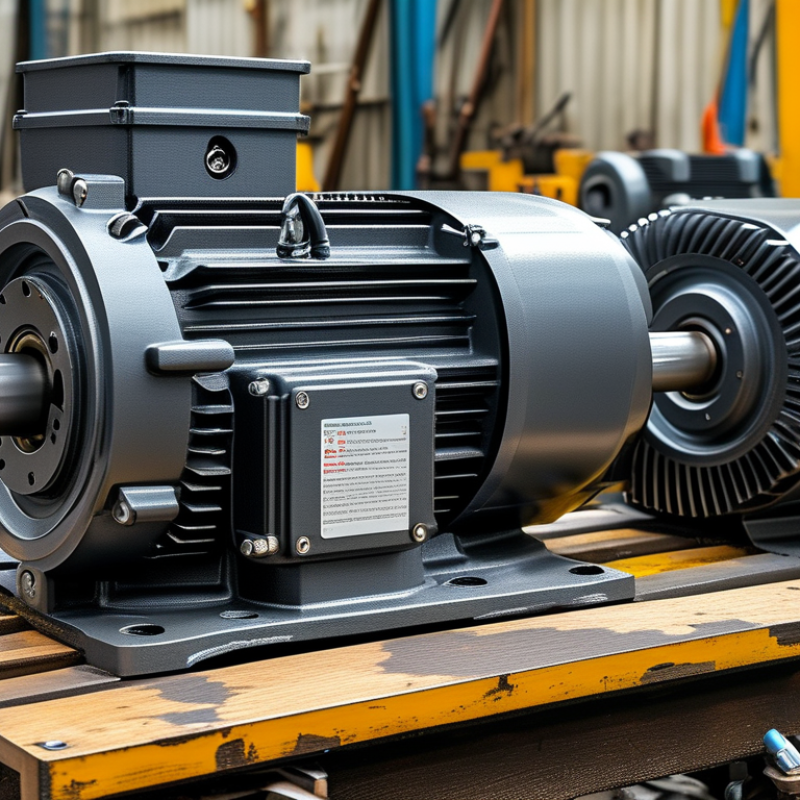
Gear motors are essential components in many mechanical systems. They combine a motor and a gearbox. This combination helps regulate speed and torque. Gear motors work by reducing the rotational speed of the motor while increasing torque. They are commonly used in robotics, conveyors, and various industrial applications.
To choose a powerful gear motor, understanding its key specifications is critical. Torque, speed, and efficiency are significant factors. A motor may seem powerful but may not perform well under load. This discrepancy can lead to operational challenges. Evaluating the gear reduction ratio is also vital. A higher ratio typically results in more torque but at lower speeds. Consider the operational environment too; factors like temperature and humidity can affect performance.
Reflect on the application requirements before making a decision. Overlooking details may lead to suboptimal performance. Not every gear motor suits every task. A thorough analysis can save time and costs in the long run. Remember, every application has unique needs that must be met.
When considering a powerful gear motor, it's essential to understand its key components. The motor is typically paired with a gearbox. This reduces speed while enhancing torque. The interaction between these elements determines overall performance. A well-designed motor will include high-quality materials to handle stresses without failure.
The type of gear used is also crucial. Common types include planetary, spur, and bevel gears. Each has unique advantages. Planetary gears offer compact design and high efficiency. Spur gears are simpler and cost-effective, while bevel gears provide direction changes. Choosing the right type impacts the application significantly.
Motor power ratings are critical dimensions. They indicate the motor's capability to deliver the desired output. When selecting a gear motor, consider load requirements. It’s common to underestimate these needs. Evaluating the expected load properly ensures better performance and reliability. Ignoring essential specifications can lead to issues later on.
When selecting a powerful gear motor, several factors come into play. Efficiency is crucial. A high-efficiency rating can significantly lower energy consumption. According to industry standards, gear motors with an efficiency of over 90% are preferred in many applications. This means less wasted energy and reduced operational costs.
Torque requirements should also be assessed. Depending on the application, the required torque can vary greatly. For instance, robotic arms may need high torque for lifting, while conveyor systems may require a steady, lower torque. Understanding the specific application allows for better gear motor selection. An incorrect torque choice can lead to underperformance or mechanical failure.
Lastly, environmental factors should not be overlooked. Consider the operating conditions such as temperature and moisture. For example, motors in outdoor settings require different specifications than those used indoors. Industry data suggests that up to 30% of motor failures are due to unsuitable environmental conditions. This philosophy reminds us to reflect on the often-overlooked aspects of gear motor selection. Understanding these factors leads to more effective choices in gear motors.
Gear motors serve a vital role across various industries, enabling machinery to operate efficiently. They combine a motor and a gearbox. This allows for a range of speed and torque adjustments. One common application is in manufacturing equipment. Here, gear motors help control conveyor belts, ensuring a smooth and consistent flow of materials.
In the automotive sector, gear motors are essential for electric windows and seat adjustments. They provide the precise movement needed in tight spaces. In robotics, these motors contribute to the movement of arms and joints, adding flexibility and power. However, the challenge lies in choosing the right torque for specific tasks. Selecting a motor with insufficient torque can hinder performance. As industries vary, so do their requirements.
Another area to consider is the food processing industry. Here, gear motors ensure hygienic and efficient operations. They handle tasks like mixing and packaging food products. Yet, not every gear motor is suitable for every environment. Factors like moisture levels and temperature must be evaluated. This requires careful analysis and understanding of the equipment's specifications. Often, compromises must be made between cost and performance.
| Application | Industry | Typical Power Rating (W) | Common Gear Ratio | Type of Gear Motor |
|---|---|---|---|---|
| Conveyor Systems | Manufacturing | 100-500 | 10:1 to 50:1 | AC Gear Motor |
| Robotic Arms | Automation | 50-300 | 5:1 to 20:1 | Servo Gear Motor |
| Mixers | Food Industry | 200-2000 | 15:1 to 30:1 | DC Gear Motor |
| Packaging Machines | Packaging | 100-800 | 20:1 to 60:1 | AC Gear Motor |
| Elevators | Construction | 500-5000 | 50:1 to 100:1 | Specialty Gear Motor |
Maintaining a powerful gear motor is crucial for optimal performance. Regular maintenance can extend the lifespan of your motor significantly. Start with a routine inspection. Check for unusual noises, vibrations, or heat. These signs often indicate underlying issues. Listening to your motor pays off.
Lubrication is vital for a gear motor's efficiency. Use the appropriate lubricant recommended for your specific motor type. Over time, grease and oil can degrade. If lubrication appears dirty or insufficient, it may need replacement. Skipping this step can lead to increased wear, reducing motor performance.
Keep an eye on the motor's operating environment. Dust, moisture, and extreme temperatures can affect its function. Ensure that the motor is cleaned regularly, using compressed air or a soft cloth. Creating a clean environment is not always easy, but it’s important for longevity.
Monitor load conditions as well. Overloading a motor can lead to premature failure. If you notice that your motor struggles under typical operational loads, reevaluate your setup. Understanding what your gear motor can handle is essential in preventing costly repairs.
: A gear motor combines a motor and a gearbox to control speed and torque.
Torque determines how much load a motor can handle. Insufficient torque can hinder performance.
Evaluate torque, speed, efficiency, and the specific needs of your application before making a selection.
They are often used in manufacturing, automotive, robotics, and food processing industries.
Temperature and humidity can significantly impact the performance of gear motors.
No, not every gear motor is suitable for every application. Analyze the requirements carefully.
Ignoring details can result in suboptimal performance and increased operational challenges.
They ensure hygienic operations, managing tasks like mixing and packaging food products efficiently.
A higher gear reduction ratio provides more torque at lower speeds, which affects performance.
No, often compromises must be made between cost and performance due to varying requirements.
A powerful gear motor is a critical component in various mechanical systems, combining the functions of a motor and a gearbox to deliver high torque and precision control. Understanding the key components of a powerful gear motor, such as the motor, gears, and housing, is essential for selecting the right model for specific applications. When choosing a gear motor, it is important to consider factors like speed, torque requirements, efficiency, and the environment in which it will operate.
Powerful gear motors find common applications across diverse industries, including manufacturing, robotics, and automotive systems, where they enhance performance and reliability. To maximize the efficiency and lifespan of these motors, regular maintenance is vital, including lubrication, inspection of components, and ensuring proper alignment. By understanding these aspects, users can make informed decisions and achieve optimal results from their powerful gear motors.
