A Precision Gear Motor is an essential component in various mechanical systems. It combines a motor and a gear mechanism to enhance performance. These motors offer high torque while maintaining a compact size. They are widely used in robotics, automation, and automotive applications, demonstrating their versatility and reliability.
Many industries rely on Precision Gear Motors for precise motion control. Their design allows for smooth operation even under challenging conditions. These motors can be found in applications ranging from simple toys to complex machinery. Users benefit from their ability to provide accurate speeds and consistent output. However, selecting the right Precision Gear Motor can be challenging.
Understanding how these motors work is crucial for effective application. Engineers must consider specifications like torque, speed, and efficiency. Details often get overlooked, leading to potential issues. By grasping the intricacies of Precision Gear Motors, users can optimize their designs and improve overall functionality. This exploration reveals the importance of informed decision-making in selecting the correct motor for specific needs.
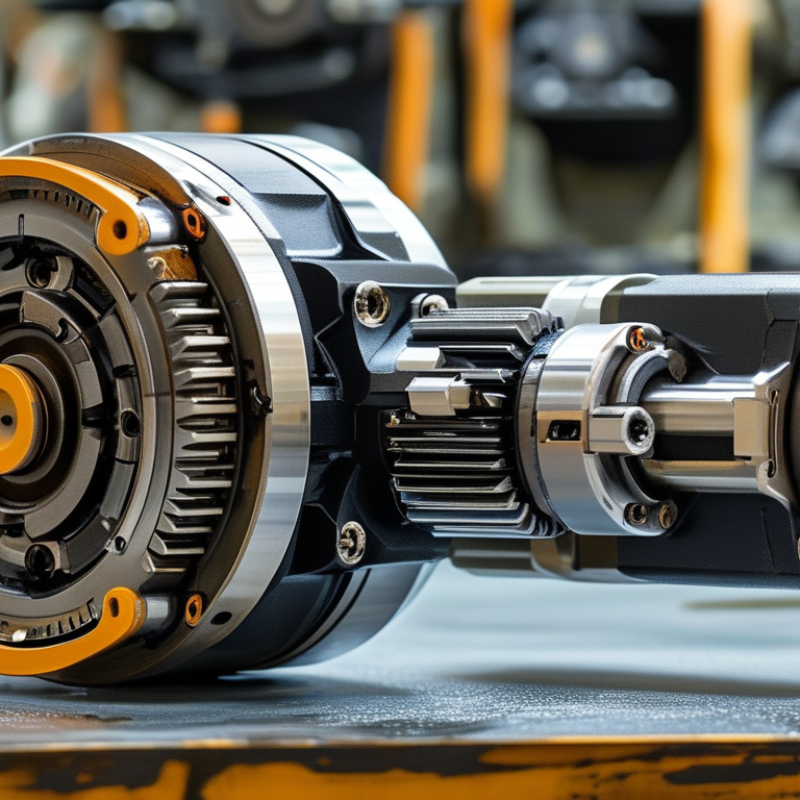
Definition of a Precision Gear Motor and its Key Components
A precision gear motor is an essential component in various mechanical systems. It combines a motor and a gear train. This design significantly amplifies torque while reducing speed. The result is a highly efficient output. Various applications include robotics, CNC machinery, and automotive systems.
Key components of a precision gear motor include the motor, gears, and housing. The motor converts electrical energy into mechanical energy. The gears then adjust the output speed and torque. High-quality materials are often used to ensure durability. However, maintaining precise alignment during assembly is crucial. Misalignment can lead to increased wear and reduced efficiency.
Every gear motor may have slight variations in design. Small changes can impact performance. It’s essential for engineers to pay attention to these details. Understanding the specific needs of a project is vital. A small oversight could lead to significant issues later. Precision gear motors offer incredible benefits, but every design process requires careful consideration.
How Precision Gear Motors Function: An Overview of the Working Mechanism
Precision gear motors are integral components in many industrial applications. They combine a motor with a gear reduction mechanism to enhance torque output and control speed. This integration allows these devices to achieve high accuracy in motion control, making them vital in robotics, CNC machinery, and medical devices. Industry reports suggest that the global market for precision gear motors is projected to reach over $2 billion by 2026, reflecting their growing importance across various sectors.
The functioning of precision gear motors relies on the combination of rotational power and gear ratios. When electric current is applied, the motor generates rotation that is transmitted through gears. The gear train reduces speed while simultaneously increasing torque. A typical precision gear motor can achieve ratios from 3:1 to more than 100:1. This functionality helps in achieving highly precise movements. However, not all gear motors perform equally; differences in manufacturing quality and materials can affect their performance and lifespan.
Although precision gear motors offer many advantages, there are challenges. For instance, backlash, which is the slight movement lost between gear teeth, can impact precision. Proper maintenance and alignment are crucial yet often neglected aspects in practical applications. These factors complicate the implementation of gear motors in critical systems. Understanding these nuances can lead to better design choices and improved overall system efficiency.
Benefits of Using Precision Gear Motors in Various Applications
Precision gear motors are vital components in many industries, offering high efficiency and accuracy. Their compact design allows them to fit into tight spaces, making them ideal for robotics, automation, and medical devices. According to recent industry studies, the global precision gear motor market is projected to reach $3.5 billion by 2025, reflecting a significant growth trajectory.
One key benefit is their ability to provide precise control over speed and torque. This capability is crucial in applications requiring meticulous coordination, such as CNC machinery. A report from the International Federation of Robotics noted that automation applications are expected to grow by 15% annually, emphasizing the demand for reliable drive systems. Yet, the integration of precision gear motors can be challenging. Engineers must consider factors like load changes and wear over time.
Furthermore, precision gear motors can enhance energy efficiency. A well-designed motor can reduce energy consumption by up to 30%. However, achieving such efficiency requires careful selection and customization for specific applications. It’s important to weigh the upfront costs against long-term savings in energy and maintenance. Thus, while precision gear motors bring many advantages, their implementation should be thoughtfully evaluated to truly harness their potential.
Benefits of Using Precision Gear Motors in Various Applications
Common Types of Precision Gear Motors and Their Specific Features
Precision gear motors play a crucial role in various applications across industries. Understanding the different types helps in selecting the right motor for specific needs. One common type is the planetary gear motor. This motor features a compact design with multiple gears, providing high torque and efficiency. Studies indicate that planetary gear motors offer up to 95% efficiency under optimal conditions, making them ideal for robotics and automated systems.
Another variant is the spur gear motor, known for its simplicity and reliability. Spur gear motors are frequently used in low-speed applications where space is constrained. Their straightforward design allows for easy installation and maintenance. However, they typically produce more noise compared to other gear types, which may not be suitable for every environment.
Lastly, the harmonic drive system is noteworthy for its unique design and capability to handle high loads while ensuring minimal backlash. These systems are essential in applications requiring precise movement, such as CNC machines and robotic arms. Data shows that harmonic drives can achieve a backlash of less than one arc minute, providing exceptional accuracy. Yet, they tend to be more expensive, leading to careful cost-benefit analysis before selection. Understanding these features allows engineers to make informed choices tailored to their specific applications.
What is a Precision Gear Motor and How Does It Work? - Common Types of Precision Gear Motors and Their Specific Features
| Type of Precision Gear Motor |
Features |
Common Applications |
Torque (Nm) |
Speed (RPM) |
| Planetary Gear Motor |
High efficiency, compact design, high torque density |
Robotics, conveyor systems, automation |
0.5 - 200 |
10 - 5000 |
| Servo Gear Motor |
Precise control, high responsiveness |
CNC machinery, robotics, medical devices |
1 - 150 |
5 - 3000 |
| AC Gear Motor |
Continuous operation, durable, low maintenance |
Industrial machines, fans, pumps |
0.1 - 50 |
10 - 3000 |
| DC Gear Motor |
Simple control, portable, various voltage options |
Electronics, toys, small appliances |
0.1 - 30 |
50 - 5000 |
Factors to Consider When Selecting a Precision Gear Motor for Your Project
When selecting a precision gear motor for your project, several factors come into play. The motor's torque and speed specifications are critical. Understand your application's requirements. A high-torque motor may not be suitable for lightweight tasks, while a lower-torque variant could fail under heavy loads.
Another important consideration is the gear ratio. This affects the output speed and torque. A lower gear ratio provides greater torque but reduces speed, while a higher ratio does the opposite. Assess your project's needs carefully. Sometimes, a compromise may be necessary. Gear motors are not one-size-fits-all solutions.
Tip: Always conduct thorough testing with your selected motor. This can prevent potential issues during later phases of your project.
Additionally, consider the motor's dimensions and weight. It must fit within your design parameters. Ensure compatibility with your existing components. Sometimes, modifications may be essential to achieve the perfect fit.
Tip: Create a mock-up or prototype to identify any design deficiencies early. This proactive approach can save time and resources in the long run.
FAQS
: A precision gear motor combines a motor and a gear train. It amplifies torque while reducing speed.
Key components include the motor, gears, and housing. These parts convert electrical energy into mechanical energy.
They generate rotation from electric current, which is transmitted through gears to reduce speed and increase torque.
Planetary gear motors can offer up to 95% efficiency in optimal conditions, making them very effective.
Backlash can impact precision. Proper maintenance and alignment are often neglected, complicating their use.
Spur gear motors are simple and reliable, commonly used in low-speed applications, but can be noisier.
This system is designed for high loads with minimal backlash, ideal for applications needing precise movement.
Precise alignment is crucial. Misalignment can lead to wear and reduced efficiency over time.
Small design variations can significantly affect performance. Engineers must consider details for optimal outcomes.
Manufacturing quality and material used can influence performance and longevity of the gear motors.
Conclusion
A Precision Gear Motor is a specialized motor that combines a high-precision gear system with a standard motor, designed to deliver consistent torque and speed control. Its key components include gears, a motor, and typically a housing that protects them from external elements. Understanding how Precision Gear Motors work involves examining their mechanism, which translates motor rotation into precise movement through gear ratios, allowing for enhanced performance in various applications.
The benefits of using Precision Gear Motors are significant; they provide improved efficiency, accuracy, and reduced noise levels. Common types of Precision Gear Motors vary in their specific features, catering to different needs across industries such as robotics, automation, and aerospace. When selecting a Precision Gear Motor for any project, it is essential to consider factors such as load requirements, environmental conditions, and compatibility with other components to ensure optimal operational effectiveness.
 Jershtech DC Motors
