Jershtech DC Motors Jershtech DC Motors

Top 10 Tips for Choosing the Right Planetary Gear Motor?

Time:2026-07-05 Author:Madeline
0%

Choosing the right planetary gear motor can be a daunting task. With numerous options available, it's crucial to make an informed decision. Planetary gear motors are essential in various applications, from robotics to conveyor systems. Their efficiency and compact design make them highly sought after.

When selecting a planetary gear motor, consider factors like torque, speed, and load capacity. It's not just about choosing the highest specs; matching the motor to your specific needs is vital. Inadequate research can lead to costly mistakes. Understanding the details of your application helps you avoid pitfalls.

Many overlook the importance of reliable suppliers. Partnering with a reputable manufacturer can ensure product quality. Reading reviews and seeking expert opinions can provide valuable insight. It’s essential to weigh both performance and durability. A good choice today might not work tomorrow. Reflecting on real-world experiences can guide you in making the best decision.
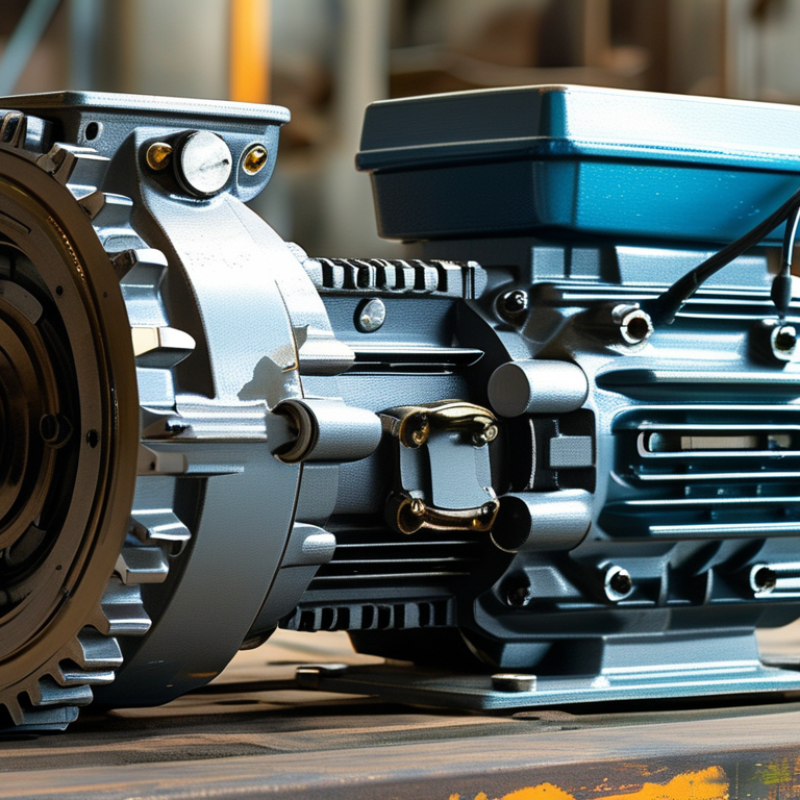
Top 10 Tips for Choosing the Right Planetary Gear Motor?

Understanding Planetary Gear Motors and Their Applications

Planetary gear motors are integral in various industries, from robotics to automotive applications. Their unique construction enables high torque in a compact size, making them versatile. According to a market analysis by Research and Markets, the global planetary gear motor market is projected to grow by 8% annually. This growth highlights increasing demand in automation and precision machinery.

Understanding the application of planetary gear motors is crucial. They often excel in situations where space is limited, yet power needs are significant. For instance, they provide high efficiency, often exceeding 90%, and can withstand heavy loads. However, these motors also have limitations. They can generate heat under continuous load, affecting performance. Therefore, selecting the correct motor type for your application is essential.

Application areas vary widely. In robotics, precise motion control is vital; planetary gear motors deliver that. In the automotive sector, they are used in gear reduction systems for electric vehicles. The right choice can enhance efficiency while minimizing size and weight. Consideration of factors like torque requirements, speed, and potential heat generation is necessary for optimal performance.

Key Specifications to Consider When Selecting a Planetary Gear Motor

When selecting a planetary gear motor, it's essential to focus on key specifications. One critical aspect is the gear ratio. This determines the speed and torque output. A high gear ratio can provide more torque but reduces speed. Consider the application's requirements to find a balance.

Another important specification is the motor type. Different applications may require AC or DC motors. DC motors generally offer better speed control. However, AC motors can be more efficient for continuous operations. Size and weight also matter. Ensure the motor fits in the space available without compromising functionality.

Don't overlook efficiency ratings. Higher efficiency means lower energy consumption. This is vital for long-term operation. Additionally, consider thermal performance. A motor that overheats could fail prematurely. Sometimes, users focus solely on specifications and neglect real-world performance tests. Seek out detailed reviews or user experiences to guide your decision. This helps in making a more informed choice.

Top 10 Tips for Choosing the Right Planetary Gear Motor

Assessing Torque and Speed Requirements for Your Project

When selecting a planetary gear motor, understanding torque and speed is crucial for optimal performance. Torque defines the rotational force the motor provides. Assess your project's requirements carefully. Are you moving a heavy load? Higher torque will be essential. The speed of the motor should match your application as well. Too fast can lead to inefficiency. Too slow can compromise performance.


Consider gear ratios when evaluating torque and speed. Higher ratios typically increase torque while reducing speed. This relationship can work well for applications like robotics, where strength is vital. Conversely, applications needing quick movements may benefit from lower ratios. Trying different configurations can be insightful. Real-world testing may reveal unexpected results in performance.


Additionally, take into account the operating environment. Factors like heat and vibration can affect motor capability. Understanding these can help in choosing the right specifications. However, some choices may not deliver as expected. A clear analysis of performance will guide you in making necessary adjustments. Be prepared to iterate on your design for the best outcome.

Evaluating Efficiency and Performance Factors in Gear Motors

When evaluating gear motors, efficiency and performance are crucial considerations. A report by the American Gear Manufacturers Association highlights that the overall efficiency of gear motors can range from 60% to 95%, depending on design and loading conditions. An efficient motor not only provides cost savings but also prolongs the lifespan of the system.

Tip: Look for gear motors with high efficiency ratings. You can often find graphs that plot efficiency over various operating speeds. This data allows you to match the motor's capabilities to your application’s needs. Consider the load requirements as well. Overloading can reduce efficiency and lead to premature failures.

Heat generation is another performance factor. Excessive heat reduces efficiency and may damage the motor. The use of high-quality materials, such as aluminum or special alloys, can enhance thermal dissipation.

Tip: Always request performance curves that include torque and heat generation data. This helps in assessing potential operational issues. Also, consider how long you expect to run the gear motor. Continuous operation may necessitate different efficiency standards compared to intermittent use. Understanding these nuances ensures better long-term performance.

Top 10 Tips for Choosing the Right Planetary Gear Motor

Factor Description Considerations
Torque Requirement Determine the load and torque needed for your application. Calculate based on weight, speed, and friction.
Efficiency Look for high efficiency ratings to minimize energy loss. Consider environmental factors that may affect performance.
Size and Weight The physical dimensions and weight of the motor. Ensure it fits in your design without compromising requirements.
Speed Range Determine the required speed and its variability. Consider whether variable speeds are necessary for your application.
Service Life Expected operational lifespan of the gear motor. Assess maintenance needs and replacement timelines.
Noise Level Consideration of how much noise the motor produces. Essential for applications where noise is a critical factor.
Heat Dissipation How well the motor can manage heat during operation. Look for options that ensure proper thermal management.
Mounting Options Different configurations for installation. Evaluate based on your equipment’s physical setup.
Control Options Type of controllers compatible with the gear motor. Assess whether you need integrated or external control options.
Cost Overall pricing models for the gear motor. Balance initial cost with long-term operational savings.

Comparing Different Brands and Models of Planetary Gear Motors

When selecting a planetary gear motor, it's crucial to compare various brands and models thoroughly. Each brand may offer unique features and specifications, impacting performance and durability. Factors such as gear ratio, load capacity, and efficiency differ from one brand to another. Understanding these differences is essential to find the right fit for your needs.

Examine the noise levels and heat dissipation of each model. Some motors may be quieter or cooler under load. Be aware that a seemingly perfect choice might not hold up under heavy use. Reviewing customer feedback can provide insights into long-term reliability. Look for patterns in reviews; repeated issues signal a potential risk.

Engaging with industry experts can deepen your understanding of each option available. Their insights can highlight unseen advantages or drawbacks. However, remember that what works for one application may not suit another. Balancing your specific requirements with expert advice is key to making an informed decision.

FAQS

: What is the most important specification when choosing a planetary gear motor?

: The gear ratio is crucial as it affects speed and torque output.

How does gear ratio influence performance?

A high gear ratio provides more torque but reduces speed. Balance is key.

What type of motor should I choose?

Consider AC for efficiency in continuous operations and DC for better speed control.

Why is size and weight significant?

The motor must fit in the designated space without sacrificing performance.

What should I know about efficiency ratings?

Higher efficiency reduces energy consumption, vital for long-term use.

How can overheating affect my planetary gear motor?

An overheating motor may fail prematurely, impacting overall performance.

Why should I rely on user experiences?

Real-world tests might show performance issues that specifications can’t predict.

How does torque relate to my project needs?

Assess if you’re moving heavy loads; higher torque may be necessary.

What happens if the motor runs too fast or too slow?

Excessive speed leads to inefficiency, while too slow can hinder performance.

Should I make design adjustments based on testing?

Yes, iterating on your design can lead to the best results over time.

Conclusion

When selecting the right Planetary Gear Motor for your project, it's essential to understand their unique applications and functionalities. These gear motors are designed to deliver high torque and excellent speed control, making them suitable for various sectors, including robotics and automation. Key specifications such as gear ratio, output speed, and load capacity play a crucial role in determining the ideal motor for your needs.

Additionally, assessing torque and speed requirements is vital to ensure optimal performance for your application. Evaluating efficiency levels and performance factors can help in achieving energy savings and longevity in your machinery. By comparing different types of planetary gear motors available in the market, you can make an informed decision that fits your project’s specific demands while maximizing overall effectiveness.

Madeline

Madeline

Madeline is a dedicated marketing professional with a wealth of expertise in our company's core offerings. With a keen understanding of the industry, she brings a unique perspective to her role, consistently delivering high-quality content that highlights the superior aspects of our products. As......