Jershtech DC Motors Jershtech DC Motors

Top 5 Tips for Choosing the Right Industrial Gear Motor?

Time:2026-07-10 Author:Charlotte
0%

Choosing the right Industrial Gear Motor is crucial for optimal performance in various applications. These motors are essential components in machinery, driving efficiency in manufacturing processes. Understanding the diverse types and specifications available can be overwhelming.

Selecting an Industrial Gear Motor requires careful consideration of several factors. Power requirements, torque specifications, and operational speed play significant roles. Different industries may prioritize different features, reflecting their unique needs. It's essential to assess both current and future demands.

Moreover, many users may underestimate the importance of reliable suppliers. Quality assurance and support can significantly impact motor longevity and performance. Ignoring these aspects could lead to costly downtimes. A reflective approach to selection will ensure the chosen gear motor aligns with specific operational goals.
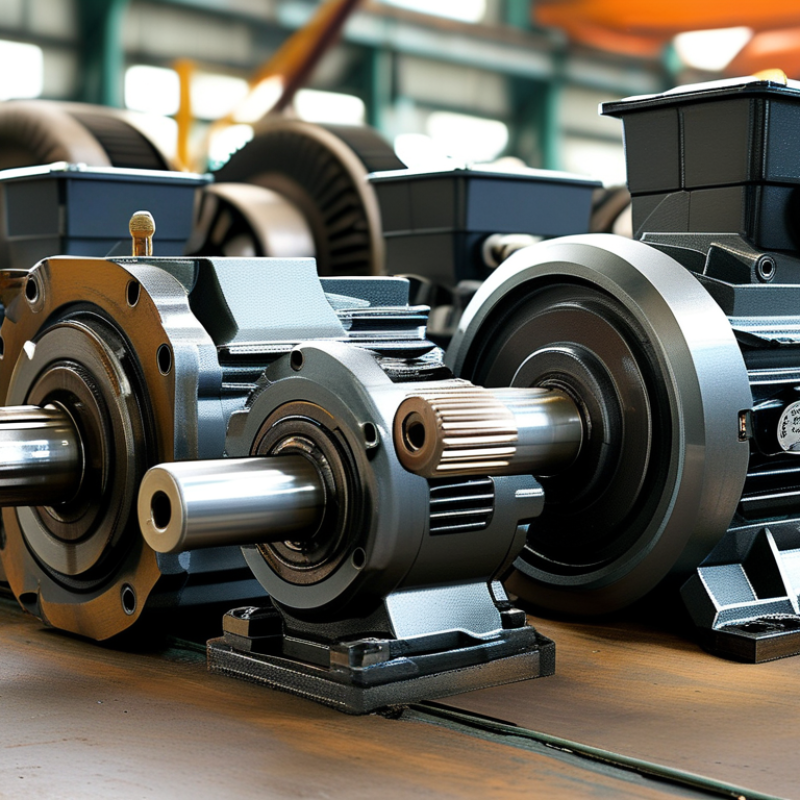
Top 5 Tips for Choosing the Right Industrial Gear Motor?

Understanding the Application Requirements for an Industrial Gear Motor

When selecting an industrial gear motor, application requirements play a crucial role. Start by assessing the nature of the task. Are you dealing with heavy loads or high speeds? The answers will guide your decision-making process. Understand the environment as well. Will the motor operate in extreme temperatures or humid conditions? These factors can affect performance and longevity.

Consider the required torque and efficiency. High torque is essential for heavy machinery. Efficiency impacts operational costs. Many overlook these aspects and face issues later. It's essential to calculate these requirements accurately. The gear motor's ratio must align with the intended application. A mismatch can lead to underperformance or damage.

Don't forget about installation and maintenance aspects. Space constraints may limit your options. Consider accessibility for repairs too. This often gets neglected during the selection process. Reflecting on these details can enhance your choice significantly. Aim for a balance between specifications and practical application needs. Your motor should meet current demands and future requirements.

Evaluating the Different Types of Gear Motors Available in the Market

When choosing an industrial gear motor, understanding the various types available is crucial. Gear motors come in several forms: planetary, worm, and helical, each serving distinct applications.

Planetary gear motors offer high torque and compact design, making them ideal for space-constrained setups. Worm gear motors provide a gear reduction with significant torque, but may struggle with efficiency. Helical gears, known for smooth operation, excel in applications requiring continuous use.

Evaluating these options demands careful consideration. A common challenge is balancing torque requirements with size limitations. Factors like load type and environmental conditions will influence the choice. Think about noise levels and maintenance needs as well. Some motors may have intricate designs, complicating repairs and upgrades. It’s essential to analyze the intended use versus the motor's lifespan. A motor designed for heavy industrial tasks may not perform well in lighter applications, leading to premature wear.

Reflecting on these details helps in making informed decisions. Speak with experts when uncertain. Relying solely on specifications can be misleading. Seek advice on best practices within your industry. This approach ensures a well-informed selection, aligning performance with expectations.

Assessing Torque, Speed, and Power Needs of Your Equipment

When selecting an industrial gear motor, understanding your equipment's torque, speed, and power requirements is crucial. According to the International Energy Agency, about 70% of industrial electricity is consumed by motors. Proper assessment maximizes efficiency and lowers operational costs.

Torque is the rotational force required by your application. Analyze your load conditions. Too little torque can lead to system failures. Too much can cause premature wear. Aim for precise motor torque to ensure optimal performance.

Speed considerations vary widely across applications. For conveyor systems, a steady speed is essential. In contrast, robotic arms may require variable speeds for different tasks. Determine the ideal RPM for your situation. Utilizing a variable frequency drive can enhance your system’s flexibility.

Power needs should be evaluated carefully. A mismatched power rating can lead to inefficiencies. Research shows that gear motors should ideally operate at no more than 80% of their rated capacity to avoid overheating. Inadequate power can stall machinery, causing downtime.

Choosing the right industrial gear motor requires detailed attention to these factors. An informed decision brings reliability and longevity to your operations.

Top 5 Considerations for Choosing the Right Industrial Gear Motor

Considering Environmental Factors and Operating Conditions

When selecting an industrial gear motor, environmental factors and operating conditions are paramount. A comprehensive report from the International Journal of Engineering Research indicates that up to 30% of motor failures are due to unsuitable environmental conditions. For instance, moisture, dust, and extreme temperatures can significantly impact motor performance and lifespan.

Consider the ambient temperature and humidity. A motor operating outside its specified temperature range can lead to overheating and eventual failure. The American Society of Mechanical Engineers (ASME) highlights that proper ventilation can enhance motor efficiency and reduce risks. Additionally, exposure to contaminants can degrade lubricants and bearings, causing malfunctions over time.

Installation location is critical. Placing a gear motor in a dusty or humid environment requires special protective housing. Regular maintenance is essential, yet often overlooked. Monitoring tools can provide real-time data, aiding in prevention. Ignoring these factors not only increases costs but may also lead to early replacements. A thoughtful approach to selecting gear motors aligned with environmental considerations ensures reliability and efficiency.

Reviewing Manufacturer Reputation and After-Sales Support Options

When selecting an industrial gear motor, manufacturer reputation is critical. A reputable manufacturer often indicates reliability. Look for companies with positive reviews and long-standing presence in the industry. Check online forums or industry publications for insights on their credibility. It might be beneficial to ask peers about their experiences too.

Additionally, after-sales support is an essential aspect to consider. A manufacturer with strong support can save you time and money. Find out if they offer maintenance services or technical assistance. Documentation and user manuals are crucial for troubleshooting. Some manufacturers have dedicated support teams for quick responses. Before finalizing your choice, ensure they provide adequate information and assistance.

Reflecting on past experiences can guide your decisions. Have you faced issues with gear motors in the past? An inadequate response from a manufacturer can severely affect operations. Taking time to research their support can help avoid such pitfalls. Make these factors a priority, and you’ll be better prepared for future challenges.

Top 5 Tips for Choosing the Right Industrial Gear Motor

Tip # Tip Description Manufacturer Reputation After-Sales Support
1 Assess Application Requirements Check online reviews and customer feedback Evaluate installation support and warranty
2 Consider Power and Torque Requirements Look for certifications and industry standards Check for ongoing maintenance services
3 Match Gear Motor Type with the Application Research the manufacturer’s history Assess response time to support requests
4 Evaluate Efficiency and Performance Find out about past project successes Confirm parts availability and lead times
5 Analyze Cost versus Quality Check partnerships with reliable suppliers Investigate training programs offered

FAQS

: Why are environmental factors important when selecting a gear motor?

: Environmental factors can lead to motor failures. About 30% of failures are linked to unsuitable conditions.

How does temperature affect motor performance?

Operating outside the specified temperature range can cause overheating. This may lead to eventual motor failure.

What kind of maintenance is required for gear motors?

Regular maintenance is essential for reliability. It is often overlooked but can prevent costly problems.

How can the installation location influence a gear motor's lifespan?

Dusty or humid environments require protective housing. Poor placement can lead to reduced efficiency and early failures.

What role does manufacturer reputation play in gear motor selection?

A reputable manufacturer often indicates reliability. Positive reviews and industry presence can guide better choices.

Why is after-sales support important?

Strong support can save time and money. Quick assistance can prevent prolonged operational issues.

What should I consider about documentation and user manuals?

Proper documentation is crucial for troubleshooting. Ensure the manufacturer provides adequate user manuals before buying.

How can I learn about a manufacturer’s credibility?

Check online forums and industry publications. Peer experiences also offer valuable insights into a manufacturer's reliability.

Conclusion

When selecting an Industrial Gear Motor, it is crucial to first understand the specific application requirements to ensure optimal performance. Evaluating the different types of gear motors available allows for informed choices based on the diverse functionalities they offer. Key factors to assess include the torque, speed, and power needs of the equipment, which directly impact the motor’s effectiveness in the intended application.

Additionally, environmental factors and operating conditions play a significant role in the selection process, as these elements can affect the motor's durability and efficiency. Lastly, it's important to consider the manufacturer’s reputation and the after-sales support options they provide, ensuring that you have access to assistance when needed. By carefully analyzing these aspects, one can make an informed decision in selecting the right Industrial Gear Motor for their needs.

Charlotte

Charlotte

Charlotte is a seasoned marketing professional with a deep understanding of the company's portfolio and a passion for elevating its presence in the market. With a keen eye for detail and a commitment to excellence, she ensures that our professional blog is regularly updated with insightful articles......