Jershtech DC Motors Jershtech DC Motors

Top Small DC Gear Motor Types for Your Next Project?

Time:2026-06-29 Author:Sophia
0%

When embarking on a new project that requires precision, the choice of a Small DC Gear Motor is vital. These motors are compact yet powerful, making them ideal for robotic applications, small appliances, and other intricate designs. Their ability to deliver high torque at low speeds has made them a popular choice among engineers and hobbyists alike.

Selecting the right type of Small DC Gear Motor can be challenging. With numerous options available on the market, understanding the nuances of each type helps in making an informed decision. Factors such as gear ratio, voltage, and size should be considered. A well-suited gear motor enhances the project's efficiency and may lead to unexpected errors if incorrectly chosen.

While many options promise superior performance, not all meet project requirements. It's important to analyze the specific needs of your application thoroughly. Through careful selection and testing, you can discover a Small DC Gear Motor that not only fits your project but also enhances its functionality and reliability.
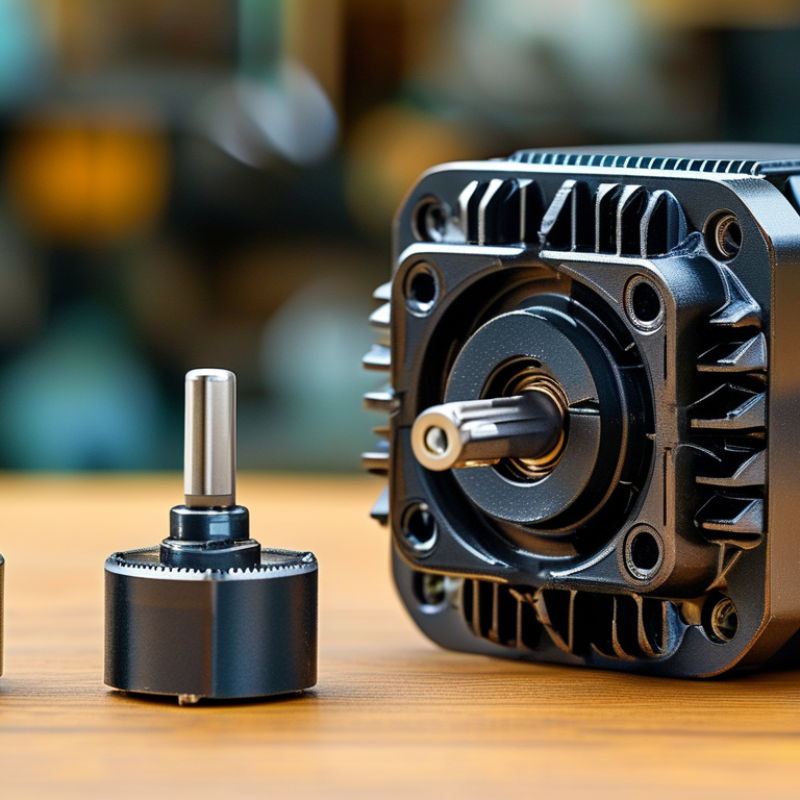
Top Small DC Gear Motor Types for Your Next Project?

Types of Small DC Gear Motors and Their Applications

Small DC gear motors are popular in various applications. They are compact, efficient, and versatile. Understanding the types of these motors can help you choose the right one for your project.

One common type is the low-voltage DC gear motor. These motors typically operate on 3V to 12V power supplies. They are ideal for robotic applications and small appliances. Research shows that low-voltage motors can enhance energy efficiency by up to 25%. This makes them appealing for battery-powered devices.

Another type is the high-torque DC gear motor. These motors provide a significant amount of torque at low speeds. This feature is crucial for applications such as conveyor systems and industrial automation. Industry reports indicate a growing demand for high-torque motors in automated systems, particularly in manufacturing. While high-torque motors excel in performance, they can be bulkier and heavier, which may require more careful design considerations.

Overall, the choice of a small DC gear motor should consider factors like torque requirements, size, and power supply. Small DC gear motors play a vital role in innovation across multiple sectors. Yet, understanding their specifications is critical for optimal performance.

Top Small DC Gear Motor Types and Their Applications

Key Features to Consider When Choosing a Small DC Gear Motor

When selecting a small DC gear motor for your project, several key features stand out. First, consider the torque output. Torque is the rotational force generated by the motor. Depending on the application, the required torque can vary significantly. For small robotics projects, a torque range of 1-600 mNm is often adequate. This is supported by industry reports indicating that many small DC gear motors operate effectively within these limits.

Efficiency is another crucial factor. The efficiency of small DC gear motors can range from 70% to 90%, depending on the gear ratio and motor design. Choosing a motor with higher efficiency can lead to better performance and longer battery life. However, it's important to balance efficiency with the desired speed and torque. Misjudging these specifications can lead to underperformance or motor burnout in demanding applications.

Additionally, consider the size and weight. Compact designs are often preferred in limited spaces. A well-balanced motor should not only fit your design but also avoid unnecessary weight that can hinder performance. The challenge lies in finding a motor that meets all these criteria, as trade-offs are often necessary. It's essential to evaluate these features based on specific project needs and real-world performance data.

Comparative Analysis of Popular Small DC Gear Motor Brands

When choosing small DC gear motors for projects, several factors come into play. The market showcases various brands with distinct features. Each brand offers unique advantages, such as torque ratings, size options, and efficiency levels. For example, some motors excel in power output but may lack in compactness. Others maintain a balanced design, making them versatile for different applications.

It’s essential to analyze the reliability of these motors. Some brands are known for their consistent performance under stress. However, others may falter, showing wear faster than expected. Users often need to weigh performance against durability. Many professionals recommend reviewing user feedback before finalizing a purchase. Performance tests reveal crucial insights that aren't always evident in technical specifications.

Additionally, cost-effectiveness plays a role in decision-making. Cheaper options may entice buyers but could lead to higher maintenance costs later. An informed choice involves considering the long-term value. Reflecting on these aspects helps in selecting the right DC gear motor, suitable for both hobbyist and industrial projects.

Top Small DC Gear Motor Types for Your Next Project

Motor Type Voltage (V) Torque (mNm) Speed (RPM) Efficiency (%) Weight (g)
Planetary Gear Motor 12 300 120 85 200
Spur Gear Motor 6 150 90 78 150
Worm Gear Motor 24 500 70 90 250
Geared Stepper Motor 12 400 40 75 300
DC Motor with Gearbox 9 200 150 80 180

Tips for Integrating Small DC Gear Motors into Your Projects

Integrating small DC gear motors into your projects can be a rewarding experience, but careful planning is essential. Selecting the right motor is crucial. Consider torque, speed, and size to match your project requirements. For example, if your design involves lifting weight, choose a motor with high torque. Conversely, high-speed gears might suit applications requiring quick adjustments, like robotics.

Mounting can be a tricky part. Ensure that the motor fits securely within the design. Vibration or misalignment can lead to decreased performance. Test the setup multiple times. Sometimes, what looks right on paper may not perform as expected. Don’t hesitate to make adjustments as needed.

Wiring poses its own challenges. Data sheets often provide crucial information, but they can be confusing. Double-check connections to avoid malfunction. A soldering mistake can lead to frustrating failures. If issues arise, a systematic approach to troubleshooting can guide you back on track. It’s about learning what works for you and what doesn’t.

Maintenance and Troubleshooting for Small DC Gear Motors

When working with small DC gear motors, maintenance is crucial for ensuring longevity and optimal performance. Regularly checking the gears for wear is a good practice. Over time, gears can become stripped or misaligned. This can lead to increased noise and reduced efficiency. It’s vital to listen for unusual sounds when the motor operates. Any grinding or buzzing should prompt an immediate inspection.

Cleaning is equally important. Dust and debris can buildup around the motor, causing overheating. A soft brush or compressed air can help remove dirt. Lubricating the gears with appropriate grease can also prolong motor life. However, be cautious not to over-lubricate, as this can attract more dirt.

Troubleshooting is an essential skill. If the motor does not respond, check the power supply first. Ensure connections are secure and wires are intact. Sometimes, a blown fuse or a disconnected wire is the issue. If the motor runs but at a reduced speed, it may indicate a problem with the voltage. Monitoring these factors will enhance reliability and performance in your projects.

FAQS

: What factors should I consider when choosing a small DC gear motor?

: Consider torque, size, and efficiency for your specific project needs.

Why is motor reliability important?

Reliability ensures consistent performance, especially under stress. It’s crucial for project success.

How can user feedback help in making a purchase?

Reviews provide real-world performance insights that specs may not reveal. It helps in decision-making.

What should I focus on during motor integration?

Focus on torque, speed, and secure mounting to ensure optimal performance.

What maintenance should I perform on DC gear motors?

Regularly check for gear wear, clean debris, and lubricate appropriately to prevent issues.

How can I troubleshoot motor issues effectively?

Start by checking power supply and connections. Look for blown fuses or loose wires.

What common problems might arise with small DC gear motors?

Gears may strip or misalign, leading to noise or inefficiency. Listen for unusual sounds.

How crucial is motor wiring?

Wiring is critical; incorrect connections can lead to malfunctions. Always double-check before powering up.

What happens if I over-lubricate the motor?

Over-lubrication can attract more dirt, causing potential overheating and further issues.

What should I do if performance isn’t as expected?

Re-evaluate the setup. Adjustments may be necessary, even if everything looks correct initially.

Conclusion

Small DC Gear Motors are versatile components widely used in various applications, offering efficiency and precision in motion control. When selecting a small DC gear motor for your project, it’s essential to consider key features such as torque, speed, and size, which directly impact performance. Understanding the different types available, including planetary and spur gear motors, can help you determine the best option for your specific needs.

To successfully integrate small DC gear motors into your projects, familiarize yourself with installation techniques and electronic interfacing. Proper maintenance and troubleshooting strategies also play a crucial role in ensuring long-term functionality and reliability. By leveraging these insights, you can optimize the use of small DC gear motors, enhancing the performance of your designs and projects.

Sophia

Sophia

Sophia is a dedicated marketing professional with an exceptional depth of knowledge about her company's products and services. With a keen understanding of market trends and customer needs, she crafts insightful blog posts that not only inform but also engage readers, enriching the company’s online......